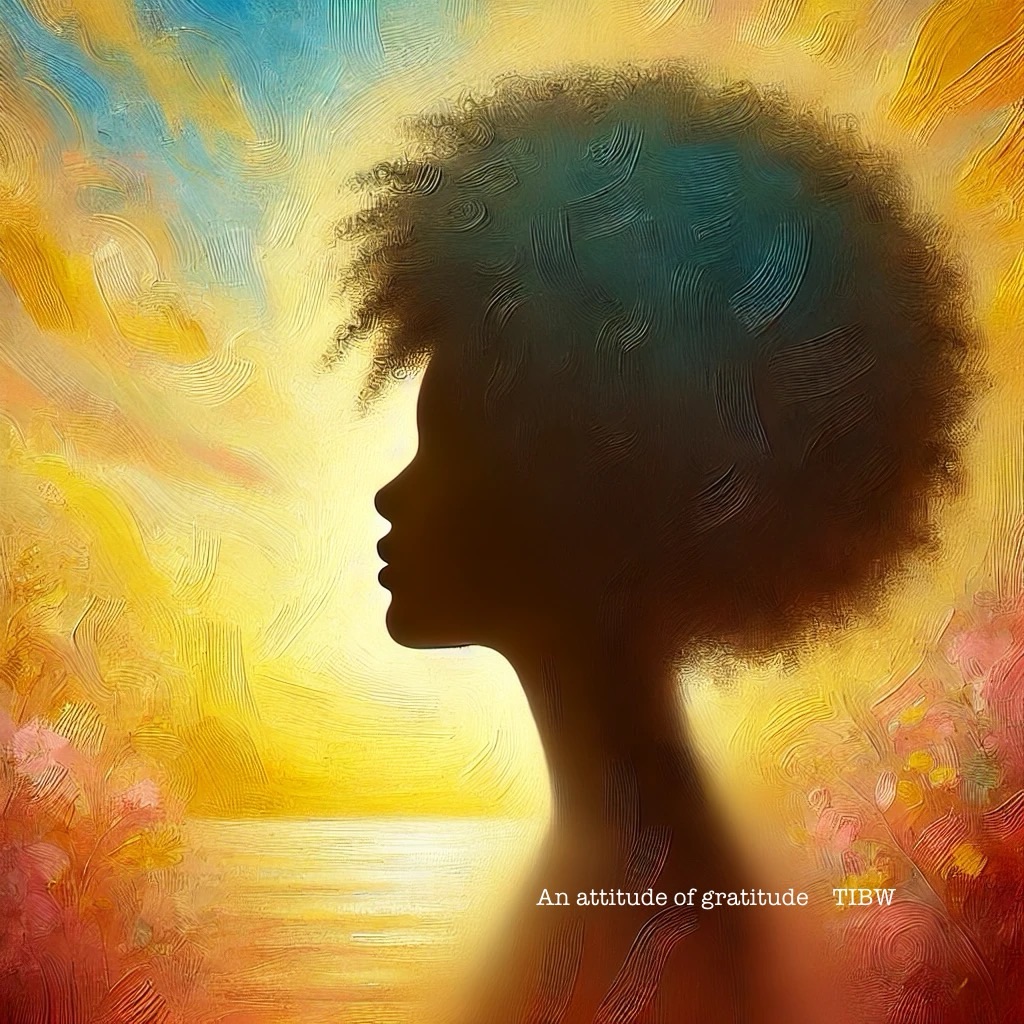
Gratitude is one of those concepts that seems straightforward, but when you dig deeper, you realize how transformative it can be—and how hard it is to truly practice it.
In group, we watched a video that challenged the common assumption that happiness leads to gratitude. Instead, the speaker turned that idea on its head: “It’s not happiness that makes us grateful; it’s gratefulness that makes us happy.” That simple shift in perspective struck me. How often do we chase happiness, thinking it will bring us peace, when really, it’s gratitude—the active acknowledgment of what we have—that creates that peace in the first place?
The speaker broke it down beautifully: gratitude arises when something valuable is freely given. It’s not something you earn or buy—it’s a gift, a moment, an opportunity. But here’s the catch: we often miss these moments because we’re rushing through life, distracted by our next task, worry, or goal. Gratitude, then, is not just a feeling; it’s a practice.
The idea of “stop, look, and go” stood out to me. It’s such a simple concept, yet it has the potential to change everything:
- Stop: Pause to acknowledge the moment. Build moments of stillness into your life—whether it’s a sticky note on your desk, a gentle reminder on your phone, or even a deep breath before your next conversation.
- Look: Take in what’s around you. What is this moment offering you? What can you learn from it, even if it’s hard? Gratitude doesn’t mean you accept everything as good, but it does mean finding value in what’s there.
- Go: Act on that gratitude. Let it inspire you to move forward—whether it’s showing kindness to others, making a different choice, or simply appreciating the present.
One part of the video sparked a lively discussion: the idea that we can’t always be grateful for everything, but we can find gratitude in every moment. We don’t have to be grateful for loss, injustice, or pain. But even in those moments, we can find something to hold onto—a lesson, an opportunity, or the strength to rise again.
This hit home when someone shared how practicing gratitude felt like a choice, not a reflex. “It’s not just saying ‘I’m grateful.’ It’s something you actively do, even when you don’t feel it,” they said. That perspective was a reminder that gratitude takes work. It’s a skill to develop, not a switch to flip.
Gratitude also connects deeply to communication. One of the points raised in our discussion was how gratitude can reshape conversations. By starting with curiosity—being open to understanding someone else’s point of view—you create space for connection rather than conflict. It’s a small but powerful shift.
In a world that often emphasizes scarcity—what we don’t have, what we need, what we’re chasing—gratitude reminds us to pause and recognize what is. It’s not always easy, and it doesn’t fix everything, but it shifts the lens. And sometimes, that shift is enough to carry us through the day.
So, as we move forward, I challenge myself—and anyone reading this—to make gratitude an active practice. What can you stop and notice today? What moments of grace, no matter how small, can you hold onto?
Until next time, I wish you nothing but sunshine, rainbows, and unicorns, which are no less fictitious than amazing you are.
 The Invisible Black Woman
Leave a comment