Healing and progress don’t always follow a straight line. Sometimes, it’s like a scribble, a messy one at that. You look down at the lines, all jumbled and nonsensical, and you think, This supposed to be getting somewhere? But that’s the thing. I’m not sure healing is always about getting “somewhere.”
But anywho… IOP. Where were we?
The session started with Chase sharing his struggles with family acceptance. He talked about setting boundaries with his dad and letting the family know where he stood, only to be met with dead silence and an explosive reaction from his father. And, as someone who’s walked through that same valley, where acceptance is a foreign word in some families, I got it. Chase felt a kind of triumph mixed with an ache—a bittersweet cocktail. He knew he was brave, bold even, for standing up and being real about who he was. Yet, that bravery came with a price. And as he spoke, I felt my heart twist a bit because, if you know… you know. It’s like staring down a road you want to walk, but each step feels heavier, like you’re dragging your whole world behind you.
Nathan asked him if he wanted feedback, but Chase just wanted to talk it out. That’s the thing about these sessions; sometimes, you don’t need advice, just a space to let out the mess that’s inside. Chase had finally said his piece, yet the family stayed silent. That silence, he said, was almost worse than the backlash.
Alan, a regular in our group, chimed in with a reminder. He’d been around a while, seen his share of strained family dynamics, and he tried to assure Chase that things might get better with time. But even with Adam’s seasoned advice, there was a collective silence, like we all knew deep down that time doesn’t heal everything. Sometimes, it just muffles the pain.
Nathan brought up the concept I’d heard before but never really unpacked: family roles. “In every family, we all have a role. Some are the peacemakers, some the truth-tellers, others the scapegoats.” I’ve heard it a million times. “The truth-teller in the family often gets ostracized,” he continued. And isn’t that the way it goes? The truth-teller is the one who won’t play along, who points out the cracks in the perfect façade, and it usually costs them something.
Being the truth-teller in the family has always felt like walking a tightrope, suspended above the weight of unspoken words and secrets too stubborn to release. I’ve always wanted to talk things out—to lay everything bare and wade through the mess, knowing full well it might leave me vulnerable, misunderstood, or even unwelcome.
That’s the thing about being the one who refuses to keep quiet: it’s a double-edged sword. On one side, there’s the relief that comes from no longer carrying what others won’t say. On the other, there’s the isolation that sets in when you’re the oddball, the one who shatters the peace by daring to name what everyone else sidesteps.
I’m the family member who disrupts the comfortable narratives, the glue that cracks under the pressure of pretending, the one who’d rather face the storm than live in a simmering silence. And that role, being the truth-teller, it comes with a cost. The side eyes, the tense silences, the closed doors—it’s like I can feel the rift growing every time I ask the hard questions or call out the hypocrisy. But I’ve come to realize that some of us are built this way, with hearts that can’t stand the weight of denial and a need for honesty that borders on defiance. We’re the ones who pay for it, sure, but we’re also the ones who make space for healing, for change, even if that space is something others aren’t ready to step into yet.
As Chase spoke about his siblings, who were somewhat supportive but often influenced by his dad, I felt my own memories surface, like a flicker of familiarity mixed with pain. He had hoped that this conversation with his dad would be different, maybe even productive. Yet, here he was, bearing the weight of unmet expectations and the jagged edges of a broken narrative. It reminded me of all the times I’d hoped for something more, only to find that certain truths just don’t sit well with everyone.
Brianna, another group member, opened up about her mom’s well-meaning yet suffocating overprotectiveness. She spoke about feeling like a child under her mother’s hovering presence. Her words were gentle but firm. She wasn’t mad, just weary. And as she described her mom’s actions, I caught myself nodding along. Sometimes, love feels heavy—like a weighted blanket that comforts and suffocates all at once. Her mom wanted to help, but in doing so, she was unintentionally taking away Brianna’s independence.
Chase jumped in, offering a story about his sister, who had recently gone through surgery. Their mom had insisted on putting a baby monitor in her sister’s room. The idea itself was almost laughable, a grown woman with a baby monitor. Yet, it spoke to the depth of a parent’s fear, their relentless urge to protect. It’s funny, though, how protection can sometimes feel like a cage. Eventually, his sister had to set her own boundaries, explain what help she needed, and where she needed space.
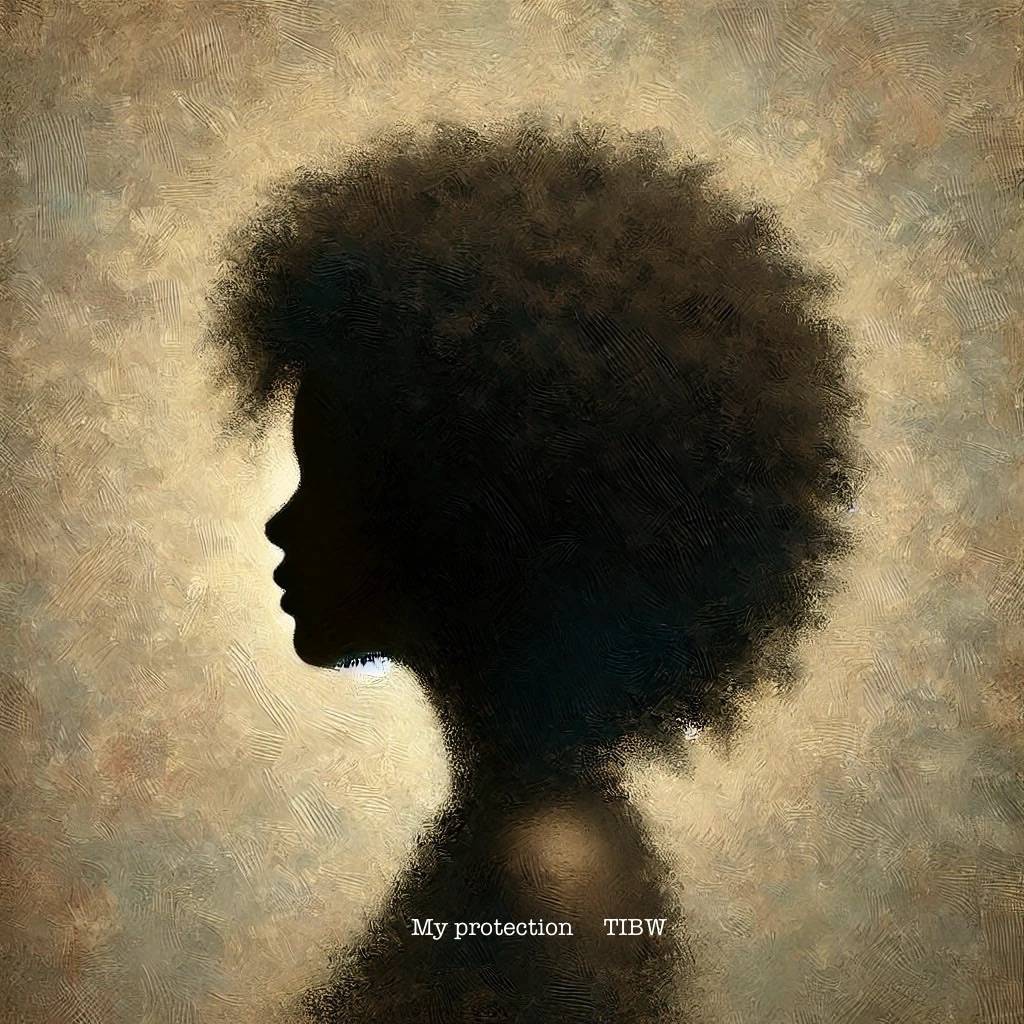
As we continued around the room, talk turned to the idea of “protective factors.” Nathan handed out a worksheet, asking us to assess the factors in our lives that served as a shield against life’s storms. Social support, self-esteem, purpose—all the buzzwords that therapists love. But when you’re in the thick of things, buzzwords can feel empty.
The session turned quiet as everyone pondered their lists. I glanced down at mine, at the blank spaces under each protective factor, and my heart felt heavy. Self-esteem? Sure, I could put up a front with the best of them, make it look like I had all the confidence in the world. But inside, some days, it felt like a paper-thin illusion, one gust of wind away from crumbling. Social support? Kinda sorta.
Nathan asked if anyone wanted to share. The room stayed silent initially. So he prodded. “It’s about validation, isn’t it?” he asked, his tone gentle. “Sometimes, even the strongest people need to feel seen, acknowledged.”
His words hung in the air, and I saw Chase nod in agreement. Maybe we were all searching for that validation, that sense that we weren’t alone in this fight. And as Nathan spoke, a strange feeling settled over me—a mix of vulnerability and strength, like I was standing on the edge of something vast, uncharted, and terrifying, yet knowing I wasn’t standing there alone.
One by one, we went around the room, sharing pieces of ourselves. Brianna mentioned her mom again, the way she smothered with love. Chase spoke about his sister, and how their bond helped him hold on even when things got tough. Each person’s story wove into the next, like threads in a tapestry, each of us bound by our struggles and the small victories we fought for daily.
And as the session wound down, Nathan reminded us that resilience, or whatever we chose to call it, didn’t have to mean “going it alone.” We had each other, even if only for a few hours a week in this sterile therapy room.
Before we left, Nathan gave us one last prompt: “Take a moment to identify one protective factor you can lean on this week, one thing that reminds you of your strength, your worth.”
As I sat with Nathan’s words, it didn’t take long for my mind to settle on him: my husband, my partner, my grounding force. He’s the steady reminder of my strength and worth, the person who holds space for me when the world feels heavy. In him, I find my safe harbor, a place where I can be fully myself—no masks, no expectations, just honesty and love. This week, more than any other, he’s the protective factor I’ll lean on, the one who reminds me I’m enough exactly as I am.
It’s his quiet gestures that speak the loudest. The way he listens without rushing to fix things, how he knows when to offer a word of encouragement and when to simply sit in comfortable silence by my side. When I’m with him, I feel the strength to face the hard truths, to step into each day a little bolder, a little more courageous. With him, I am reminded that I am loved and valued, not for what I do or who at times I pretend to be out of necessity, but for the person I truly am. He is my reminder that I am more than capable of weathering the storm, and that, even in my weakest moments, I am worthy of love.
Until next time, I wish you nothing but sunshine, rainbows, and unicorns, which are no less fictitious than the marvel you are.
 The Invisible Black Woman
Leave a comment