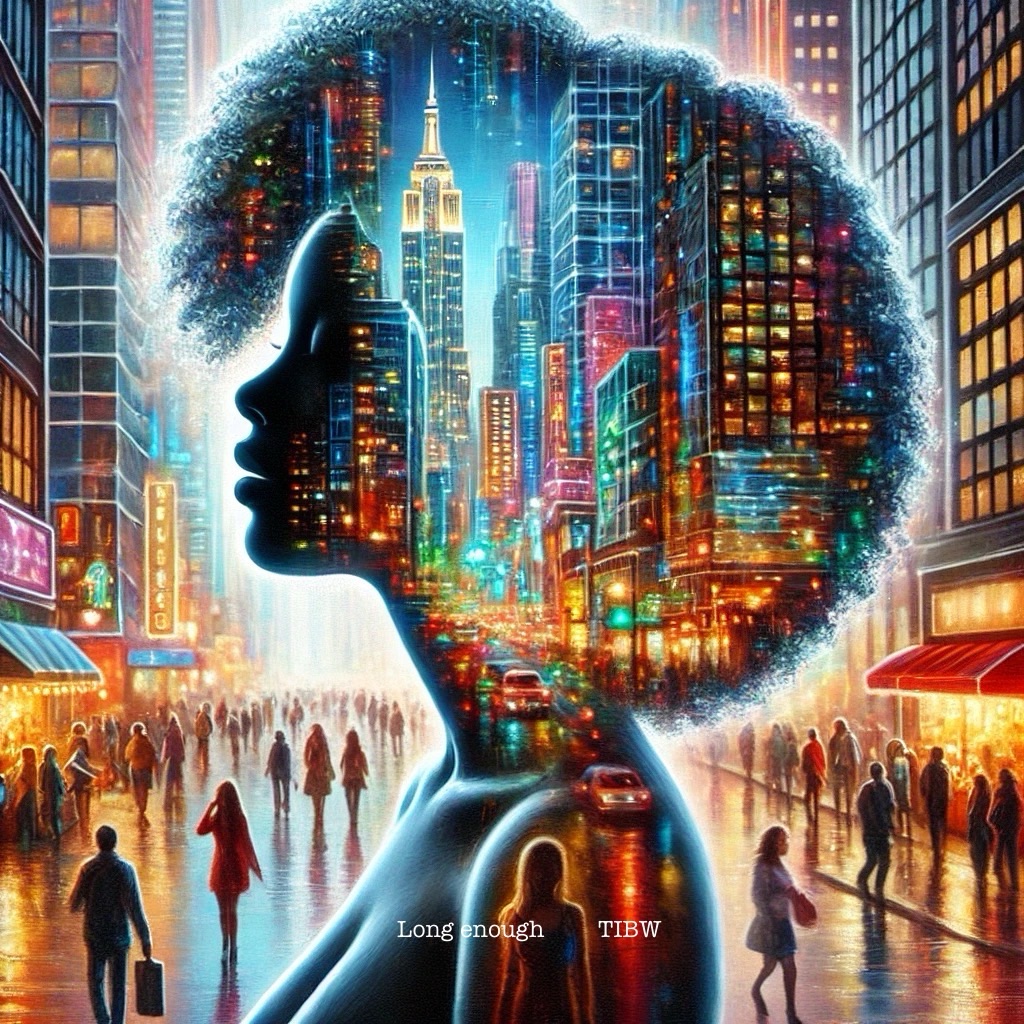
Full disclosure: this is a heavy post. Hubby is, thankfully, now recovering at home and I’ll have more updates soon, but this is not a post about him (maybe tomorrow). If you’d rather skip the heavy s#!+ I’m getting into that I talk about in “Looks like rest,” you’ll want to skip this one. Otherwise, you may proceed, but with caution…
Oh and, ya know, because it seems I often have to add this disclaimer, I’m gonna couch it as a question instead and let this be a slow burn for those that need it: would you tell a podiatrist to stop talking about feet or that ALL limbs matter? 🤷🏽♀️
I’m taking a time out today to talk about the elephant in the room. You may or may not know that today is World Suicide Prevention Day (I only learned that a few days ago), and I’ve been sitting here trying to find the words. Trying to express what feels so insurmountable at times yet so deeply necessary to acknowledge. Because as much as this day is about prevention and awareness, it’s also about bringing to light the things we don’t often talk about. It’s about seeing what’s been hidden beneath the surface for so long and finally saying it out loud—ya know, the quiet parts.
It’s no secret that mental health, particularly in the Black community, is often something we keep close to the vest. It’s something we don’t talk about, something we push to the side as if we could just power through it by sheer force of will. For Black women especially, that burden is even heavier. We’ve been told to be strong for so long that we sometimes forget what it means to simply be. To just exist without the weight of expectations, responsibilities, and this false notion of resilience that leaves no room for vulnerability. For Caribbean communities steeped in Christianity? Don’t even get me started.
When we think about suicide, the images that come to mind aren’t often Black women. And when it is, it shocks and surprises. There’s this pervasive idea that we’re “too strong” for that. Too capable. Too resilient. After all, we’re the ones who hold it all together, right? For our families, for our friends, for our communities. The ones who make sure everyone else is okay, even when we’re barely holding on ourselves. But the truth is, we’re not immune.
In recent years, the rates of suicide among Black women have quietly been increasing. And what’s more, the mental health struggles that lead to those tragic endings are often masked behind a facade of strength. We show up at work, we handle our business, we take care of the kids, we manage the household—and we do it all while battling internal wars that no one ever sees. This past week nearly pushed me to my breaking point, facing a possible reality without the love of my life while trying to figure out my work life in general, while still having to function as a member of society. The struggle was beyond real, for so many reasons.
The exhaustion. The emotional labor. The burnout. The microaggressions in spaces not designed for us. The trauma that’s been passed down for generations, woven into the fabric of our very being. The anxiety that creeps up at night, the depression that lingers in the morning, and the isolation that feels all-encompassing, even in a room full of people.
I don’t know about you, but I’m not just tired mentally and physically: the depths of my soul are weary.
And what breaks my heart is knowing that for so many of us, it feels like there’s no space to fall apart. No room to say, “I’m not okay.” No permission to simply stop and rest because the world doesn’t stop for us. So we push through. We wear the mask. We pretend. Until the weight becomes too much to bear.
So why is it we don’t talk about it? Why don’t we talk about suicide in our community, in our sisterhood, in ourselves? Because vulnerability has been weaponized against us for so long. Because historically, we haven’t had the luxury of breaking down. Our survival depended on our ability to hold it all together, to carry the load without complaint. But that survival mechanism has evolved into a harmful silence that’s killing us.
And on top of that, there’s the stigma. Mental health isn’t something that’s often welcomed with open arms in our communities. It’s whispered about, swept under the rug, or even dismissed. We’re told to “pray it away” or “stop being dramatic.” As if depression were something you could just shake off, like a bad day. As if anxiety were something you could just push through, like a headache. Growing up, mental health issues were classified as that “not-quite-there” aunt, uncle, or other relative everyone tried to shy away from at get-togethers. But mental health struggles look different on everyone. In fact, on most of us, you can’t even see it. That’s how we have come to know the phrase, “high-functioning depression.” Again, not gonna argue for or against, but one thing I know for certain is there have been nuff times when I was battling depression and anxiety and still powering through the workday because I had no damn choice. And I promise you, no one had any gotdoggone clue what was going on on the inside.
Mental health is just as real as physical health. That is something I’m only just now understanding, learning, and appreciating in this 2-year ordeal. Depression isn’t laziness. Anxiety isn’t just “being a worrier.” Suicide isn’t weakness. It comes from a place of deep anguish, pain, turmoil, and hopelessness. These are real, complex battles that so many of us are fighting, often in silence.
And that silence can be deadly.
The tired “Strong Black Woman” trope is both a badge of honor and a burden. It’s been used to uplift us and simultaneously trap us. On one hand, it speaks to the incredible, seemingly boundless well of resolve, grit, and determination that we possess. On the other, it leaves no room for us to falter, to feel, to be anything less than superhuman.
But we are human. And it’s okay to not be okay. It’s okay to take off the cape—hell, if I had it my way, I’d take the cape off and burn it. It’s okay to rest. It’s okay to reach out and say, “I need help.” The reality is, being strong all the time isn’t strength. True strength is in knowing when to take a step back, when to lean on others, and when to admit that you’re struggling.
I know it feels like the world is watching you, waiting for you to fail, waiting for you to prove that you’re not the “superwoman” they’ve built you up to be. But guess what? You don’t owe them that performance. You don’t owe them anything. You owe yourself rest. You owe yourself peace. You owe yourself the space to heal, to feel, to grieve, and to breathe.
If you’re reading this right now and you feel like you’re at the end of your rope, I need you to really hear me when I say this: YOU MATTER. You are not alone. I am so incredibly glad our paths have crossed (and that’s whether you love me or hate me 💁🏽♀️).
I know it feels like the world is caving in on you. I know it feels like there’s no way out. But I promise you, there is. I promise you that this isn’t the end of your story. You are worthy of love. You are worthy of joy. You are worthy of the space to be exactly who you are, without the weight of the world on your shoulders.
And if no one else has told you today: I’m glad you’re here. I’m glad you’ve made it this far. The world is better with you in it. I know it’s hard. I know it feels like life is lifin’ in the worst way right now (if you’d read any of my previous posts, especially the recent ones, you know I know the feeling). But I also know that you have so much more life to live, so many more beautiful moments waiting for you, even if you can’t see them right now.
So if today feels heavy—if today feels like too much—reach out. Call someone. Text a friend. Put pen to paper to all your feelings, dance while you’re crying, go outside and scream… do whatever it is you need to to release that overwhelming pressure. Just don’t carry this weight alone, and please, please don’t give up.
I’m glad you’re here. You’re not alone. You matter more than you know. We need you. This world needs you. Your family needs you. Your friends need you. Your story isn’t over yet. I know it feels overwhelming right now. I know it feels impossible. But we need you here to tell it.
And if you’ve been on the other side—if you’ve lost someone to suicide—I see you. I feel your pain. I know that nothing I say can take away the weight of that loss, but I want you to know that you’re not alone. Your grief is valid. Your feelings are valid.
I don’t have all the answers, but I do know this: we’re stronger together. The more we talk about it, the more we create spaces where we can feel safe to be vulnerable, the more lives we can save.
Today, on World Suicide Prevention Day, I hope we commit to keep talking. To keep checking on our strong friends (hell, check on all of them). To keep creating spaces where mental health is treated with the care and respect it deserves. To keep reminding each other that it’s okay to not be okay. Because this silence has gone on long enough.
So here’s to breaking it. Together.
Resources
- If you or someone you know is in crisis, please call the National Suicide Prevention Lifeline at 1-800-273-8255 or 988.
- Text “HELLO” to 741741 to connect with a crisis counselor.
- Visit Lifeline International, https://lifeline-international.com/, for international assistance.
- Reach out to friends, family, or a mental health professional. You don’t have to do this alone.
 The Invisible Black Woman
Leave a comment